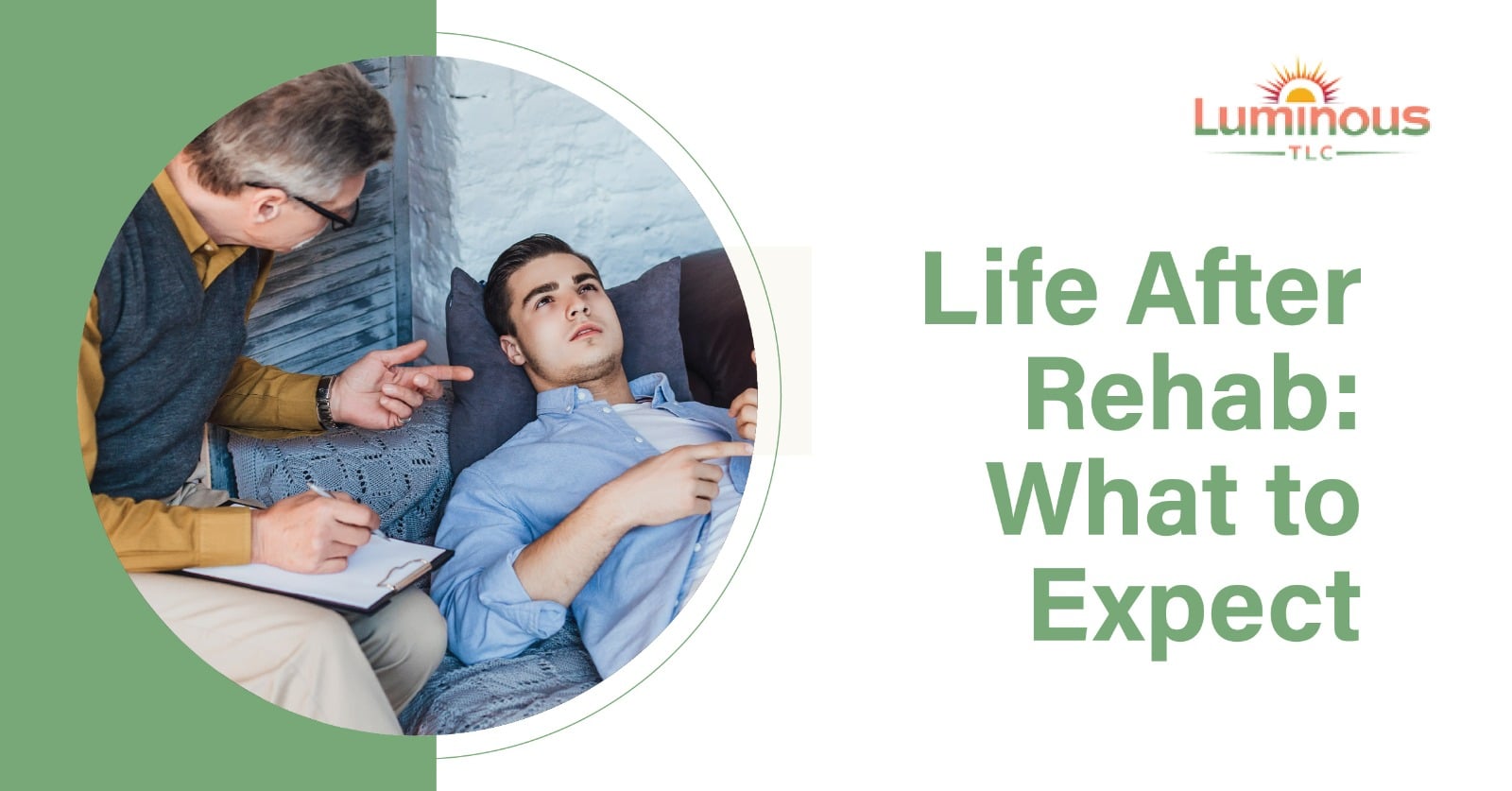
Stepping back into daily life after rehab can feel overwhelming. For those who’ve completed their program, having a clear understanding of what lies ahead and how to handle these changes is key. This guide explores the usual hurdles faced post-rehab, shares practical tips for staying sober, and highlights important resources to aid your recovery journey.
Typical Challenges After Rehab
1) Emotional Swings: After rehab, emotions can range from anxiety to exhilaration. Recognizing these feelings and seeking help from a counselor when needed is important. The early recovery phase can be particularly intense as your brain adjusts to a substance-free life. Managing these emotions through therapy or support groups can help maintain your balance.
2) Social Pressures: Returning to places where substance use was common can be tough. Avoidance, combined with forming new, positive social connections, is crucial. You may need to reassess some relationships that could pose risks to your sobriety. Building a network of supportive friends who respect your recovery can greatly ease your transition.
3) Establishing Routines: Crafting a daily routine can keep you focused and help prevent relapse. Include activities like exercise, hobbies, and learning new skills. Set aside specific times for meals, work, relaxation, and exercise to create a balanced lifestyle that supports your recovery.
Strategies for Staying Sober
1) Stay Engaged: Regularly connect with support groups or networks. This ongoing engagement can strengthen your resolve to remain sober. Many people find value in programs such as Alcoholics Anonymous or Narcotics Anonymous, where they can share experiences and gain encouragement from others who understand their journey.
2) Practice Mindfulness: Techniques like meditation and yoga can help manage stress and boost self-awareness. These practices not only calm the mind but also enhance your ability to handle triggers with composure. Regular practice can yield long-term benefits in emotional regulation.
3) Set Aspirations: Define both short-term and long-term goals to give yourself direction and motivation, steering attention away from old habits. Whether it’s exploring a new interest, advancing your career, or fostering healthier relationships, having tangible goals can keep you engaged and looking forward.
Building Your Support Network
1) Involve Family: Encourage your family members to join therapy or support groups to better understand and assist in the recovery process. Family therapy can be a powerful way to mend relationships and create a nurturing home environment.
2) Seek Professional Insight: Regular sessions with therapists or counselors can offer continued support and address any emerging issues. These professionals can provide valuable insights and coping strategies tailored to your specific needs.
3) Peer Support Connection: Joining peer-led support groups offers shared experiences and encouragement. Being part of a community that understands your struggles and victories can be incredibly validating and motivating.
Resources for Post-Rehab Support
1) Counseling Options: Numerous organizations provide post-rehab counseling to ease the transition. These services can be vital in addressing the psychological facets of recovery and preventing relapse.
2) Community Activities: Explore local community programs that offer workshops and social activities focused on recovery. Participating in these programs can help you develop new skills and friendships in a substance-free environment.
3) Digital Resources: Use online forums and educational content to stay informed and connected. Recovery-focused websites and apps offer discussion forums, advice, and resources accessible at any time.
Pitfalls to Avoid
1) Isolation: Staying isolated can lead to loneliness and increase relapse risk. Make an effort to reach out and maintain connections with friends, family, and support groups.
2) Ignoring Self-Care: Recovery depends on both physical and emotional self-care. Ensure you’re eating well, getting enough sleep, and engaging in activities that nourish your spirit.
3) Underestimating Triggers: Be proactive in identifying and managing triggers. It’s essential to have a plan for when you encounter them, like reaching out to a support person or practicing a grounding technique.
FAQs
1) What should I do if I feel the urge to relapse?
Contact a sponsor or counselor right away and engage in a distraction activity like exercise.
2) How can I rebuild trust with my family and friends?
Consistent actions over time and open communication are key to rebuilding trust.
3) Are there financial resources to aid my transition?
Yes, various non-profits and community organizations offer financial assistance and vocational training.
Moving Forward with Luminous Care
If you or a loved one is navigating life after rehab, Luminous Care is ready to support you. Our “Life After Rehab” program is crafted to provide the tools and resources you need for a successful transition. Visit Luminous Care to discover how we can assist you on this journey. Reach out today to start building a brighter future.