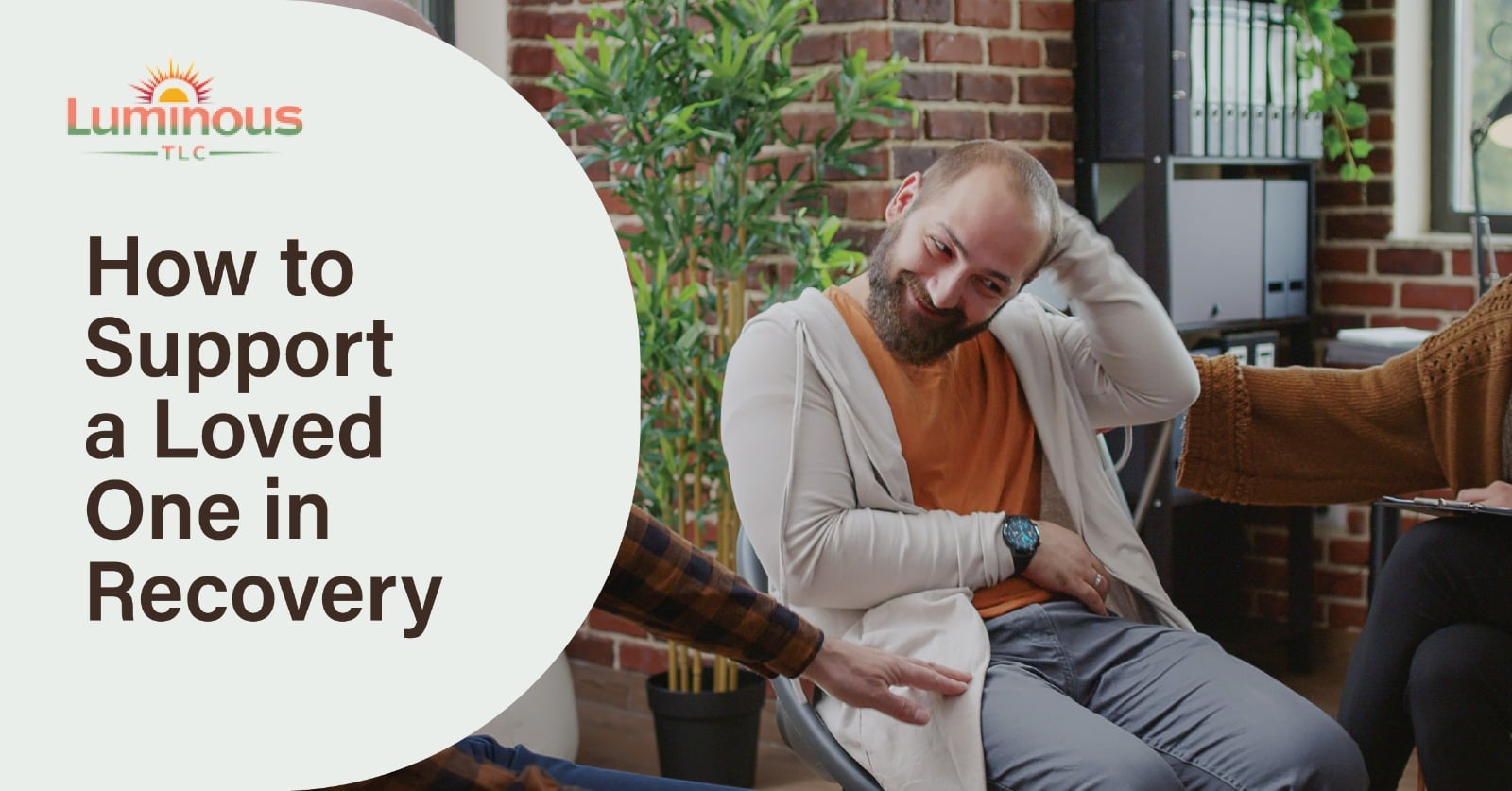
Helping a loved one navigate the Recovery process can be a rewarding yet challenging task. Whether they’re dealing with addiction or managing a mental health condition, knowing what to expect and how to assist can make a significant difference. Recovery doesn’t follow a straight path, and understanding its nuances can empower you to offer meaningful support. This guide covers practical strategies to help your loved one, insights into the stages of Recovery, and ways to tackle common obstacles.
Offering Emotional and Practical Support
When someone is in Recovery, emotional and practical support are indispensable. Start by simply being there and listening. Sometimes, your presence is the best gift you can offer. Encourage healthy lifestyle choices like regular exercise and balanced nutrition, as these can positively impact mental health. Offering help with day-to-day tasks, such as shopping for groceries or attending appointments, can further lighten their load. Remember, your role is to support their journey, not to direct it.
Engaging in activities your loved one enjoys, like a walk in the park or a yoga session, can strengthen your bond and promote well-being. Celebrating small milestones along the way can also provide a morale boost, reinforcing their accomplishments.
Navigating the Stages of Recovery
Being familiar with the stages of Recovery equips you to better support your loved one. Recovery usually starts with recognizing there’s an issue, followed by the decision to change. The action phase involves actively working toward Recovery, which may include therapy or support groups. Finally, the maintenance stage focuses on sustaining progress and avoiding relapse. Each phase demands a different kind of support, so stay adaptable.
Transitions between these stages can be unpredictable. It’s common for individuals to oscillate, particularly between action and maintenance. Being prepared for these shifts allows you to offer steady, reassuring support, emphasizing that any forward movement is positive.
Addressing Common Challenges During Recovery
The path to Recovery is littered with challenges like emotional ups and downs, relapses, and possible social isolation. Encourage open communication and reassure your loved one that setbacks are part of the process. Help them build a solid support network, including friends, family, and professionals. By staying informed about their specific issues, you can provide targeted support.
Understanding triggers that might lead to a relapse is crucial. This knowledge lets you help your loved one steer clear of or cope with situations that could hinder their progress. Encourage them to develop coping strategies, such as mindfulness or relaxation techniques, to stay grounded during tough times.
The Significance of Patience and Empathy
Patience and empathy are key when supporting someone through Recovery. Progress can be slow, and setbacks are to be expected. Avoid showing frustration, as it can damage their confidence. Instead, offer encouragement and recognize small achievements. Empathy helps you connect with their experiences, making your support more meaningful.
When difficulties arise, your calm and steady presence can be a source of hope. Empathy allows you to understand their struggles and offer comforting words that truly resonate. This emotional connection is vital for building trust and fostering a supportive environment.
Common Pitfalls to Avoid
Supporting someone in Recovery requires a delicate touch, and knowing what to avoid is just as important as knowing what to do. A common mistake is trying to impose solutions instead of listening to their needs and preferences. Your loved one might feel disempowered if they sense a lack of control. Focus on collaboration and respect their insights regarding their own path.
Another pitfall is neglecting your own well-being. It’s easy to become so focused on your loved one that self-care gets overlooked. This can lead to burnout and lessen your ability to support them effectively. Make sure to practice self-care, establish healthy boundaries, and consider seeking support for yourself, perhaps through therapy or support groups.
1) How can I help without being overbearing?
Offer your support and assistance, but always respect their autonomy. Ask them what they need instead of making assumptions.
2) What should I do if my loved one relapses?
Remain calm and supportive. Encourage them to seek help again and remind them that relapses can be part of the Recovery journey.
3) How do I take care of myself while supporting someone in Recovery?
Set clear boundaries, practice self-care, and consider joining a support group for families.
Reach Out for Guidance and Resources
Supporting a loved one through Recovery requires patience, understanding, and empathy. At Luminous Care, we provide resources and guidance to help you through this challenging time. Whether you need advice on promoting healthy habits or managing setbacks, our team is here to help. Visit us to explore our support resources or contact us for personalized guidance. Together, we can make a positive impact on your loved one’s journey to Recovery.