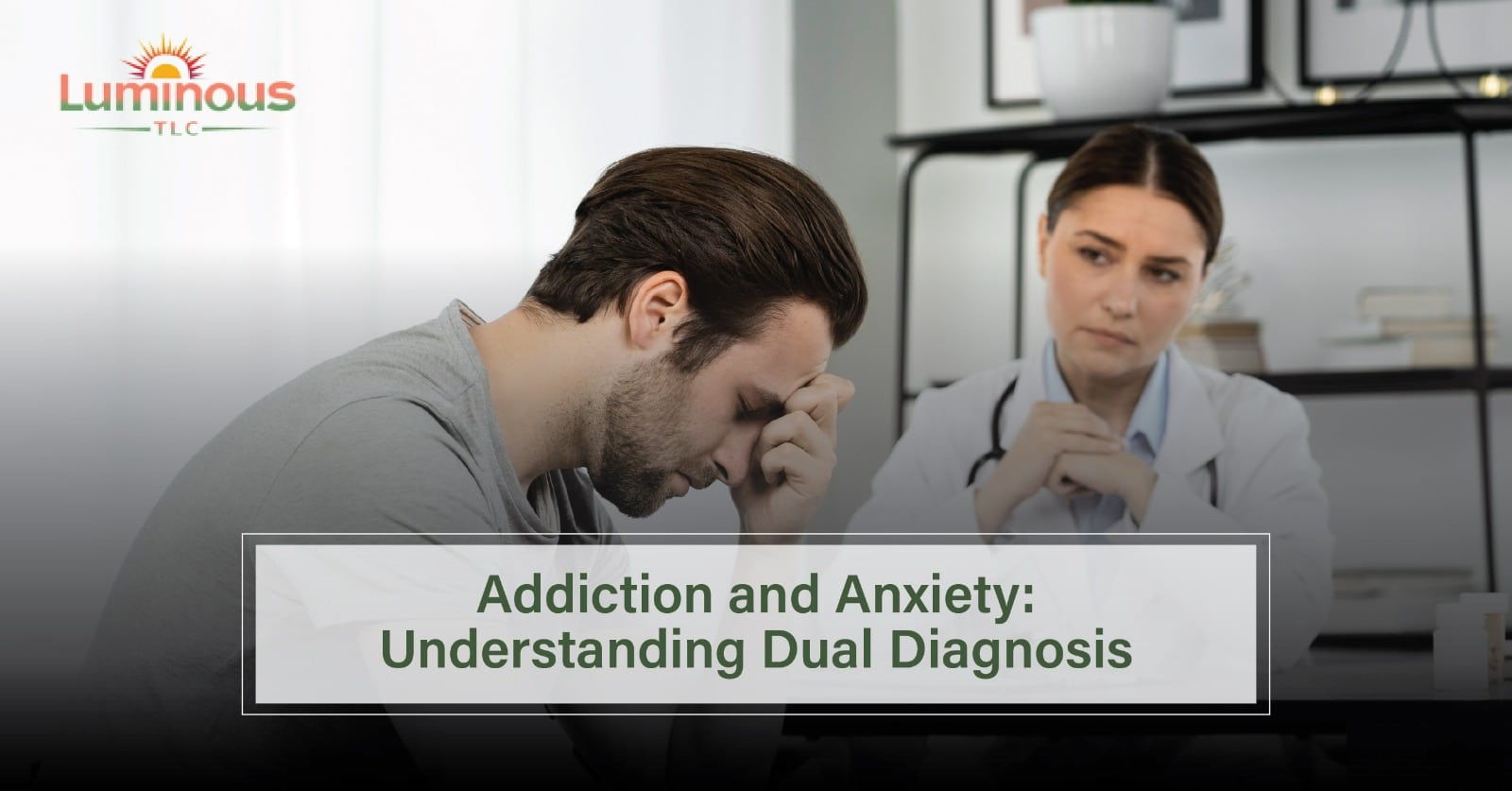
When addiction and anxiety occur together, they create a complicated condition known as dual diagnosis. This term describes the simultaneous existence of a substance use disorder and a mental health disorder like anxiety. For healthcare professionals and those seeking treatment, grasping this dual diagnosis is essential. It forms the basis for developing effective treatment strategies. The ways addiction and anxiety interact can make recovery more difficult, making an integrated treatment approach necessary.
What is Dual Diagnosis?
Dual diagnosis, or co-occurring disorders, involves having both a mental health disorder and a substance use disorder at the same time. In cases of addiction and anxiety, an individual faces both challenges concurrently. This dual burden can worsen symptoms, making accurate and thorough diagnoses vital. Healthcare providers need to skillfully identify the complex interactions between these disorders to create effective treatment plans.
The Interconnection Between Addiction and Anxiety
Addiction and anxiety are closely linked in a two-way relationship. People with anxiety might turn to substances for relief, which can temporarily ease symptoms but often makes them worse long-term. On the flip side, substance abuse can also trigger anxiety disorders, creating a difficult cycle to break. Understanding this connection is crucial for crafting treatment plans that tackle both issues together, rather than separately.
Effective Treatment Approaches for Dual Diagnosis
Treating dual diagnosis successfully means addressing both addiction and anxiety at the same time. Cognitive-behavioral therapy (CBT) is often useful, guiding individuals to understand how their thoughts, feelings, and behaviors are connected. Medication might be needed to stabilize mood and ease symptoms. Crucially, ongoing support and counseling are key parts of a comprehensive treatment plan, ensuring patients receive holistic care.
One integrated treatment example combines CBT with mindfulness-based techniques. Mindfulness helps individuals become more aware of their triggers and develop strategies to manage anxiety without turning to substances. This dual approach not only reduces anxiety but also lowers the risk of relapse, offering a more sustainable path to recovery.
Recognizing Signs and Symptoms of Dual Diagnosis
Spotting dual diagnosis requires careful observation of overlapping signs and symptoms. Individuals may show increased anxiety, irritability, and mood swings, along with signs of substance misuse such as withdrawal symptoms, changes in appearance, or strained relationships. Early identification and intervention are essential for managing these co-occurring disorders effectively and preventing further complications.
Challenges in Treating Co-Occurring Disorders
Treating co-occurring disorders is challenging due to the complex nature of intertwined symptoms. One significant challenge is the risk of misdiagnosis, where symptoms of one condition might hide or mimic the other. Additionally, patients may resist treatment, complicating therapy engagement. Overcoming these challenges requires specialized training for healthcare providers and a commitment to personalized, patient-centered care.
Common Mistakes to Avoid in Dual Diagnosis Treatment
A common mistake in addressing dual diagnosis is treating the disorders separately. This can lead to incomplete treatment plans that don’t address the underlying links between anxiety and substance use. Another mistake is underestimating the importance of family involvement in recovery. Family members can offer crucial support and understanding, helping to create a stable environment for recovery. Finally, overlooking the role of ongoing aftercare can hinder long-term success. Continuous support groups and follow-up counseling are vital in preventing relapse and ensuring sustained recovery.
The Role of Lifestyle Changes in Recovery
Incorporating lifestyle changes can significantly aid in the recovery process for those dealing with dual diagnosis. Simple adjustments like regular exercise, a balanced diet, and adequate sleep can have profound effects on both mental health and the urge to use substances. Just as athletes rely on a regimen to maintain peak performance, individuals facing dual diagnosis can benefit from structured routines. These changes help stabilize mood, reduce anxiety, and improve overall well-being, complementing medical and therapeutic interventions.
FAQs:
1) What are common triggers for addiction and anxiety?
Stress, trauma, and significant life changes are common triggers. Both environmental and genetic factors can contribute to the onset of these disorders.
2) How does dual diagnosis affect recovery?
Dual diagnosis complicates recovery by creating a cycle where each disorder worsens the other. Integrated treatment strategies are essential for successful recovery.
3) Can dual diagnosis be cured?
While dual diagnosis may not be entirely curable, it is manageable with appropriate treatment. Ongoing therapy and support can help individuals lead fulfilling lives.
Conclusion: Take the Next Step with Luminous Care
If you or someone you know is dealing with addiction and anxiety, understanding dual diagnosis is the first step toward recovery. At Luminous Care, we specialize in creating comprehensive, personalized treatment plans for co-occurring disorders. Our experienced team is dedicated to supporting you on your recovery journey. For more information or to schedule a consultation, visit Luminous Care today. Let us help you navigate the complexities of addiction and anxiety with confidence and care.